

There’s no getting around it: The mood around Windows 11 is negative.
Microsoft engineers are reportedly scrambling to fix real problems in Windows and address “pain points.”
Internally, Microsoft is looking at scaling back Copilot branding and other AI features throughout Windows — at least according to one report.
Social media is full of people saying they’re switching to Linux. And the threat is more credible than it used to be: Even PC gaming works pretty well on Linux, thanks to Valve.
But here’s one more true statement:
Windows 11 reached one billion PCs faster than Windows 10 did. (!)
How can that be? I’ll answer it by getting into my unwritten history with Linux…
PC users have a love-hate relationship with Windows
Windows PC users are often not big fans of the operating system. We like PCs, we like the software ecosystem, and we may even like the desktop interface (I do!), but we don’t necessarily like what Microsoft is doing.
We didn’t love when Windows 8’s Metro interface arrived and the Start button vanished. We don’t love the ads everywhere in Windows. We don’t like being forced to use OneDrive unless we carefully follow a complicated process to extract our files from it. We didn’t love when Copilot began popping up everywhere and Microsoft said Windows would be an agentic OS for AI agents going forward.
This is a big difference from Apple users! Mac users tend to be excited for new versions of macOS. Windows users often groan — what is Microsoft doing this time? Even people who love Microsoft’s plans wish there was a better follow through. If you loved Metro and live tiles — or you’re a huge fan of Windows 11’s current design and wish it applied to the entire interface — you’re bound to be disappointed.
15+ years ago, I started out writing as a Linux user
Here’s a secret many people don’t know, considering how closely I’ve been covering Windows for so many years:
When I was a kid, I got started using computers with MS-DOS and then Windows 3.1. I spent many years cutting my proverbial teeth on Windows. But, in my teenage years — when the reviled Windows Millennium Edition kept crashing my PC — I started exploring Linux.
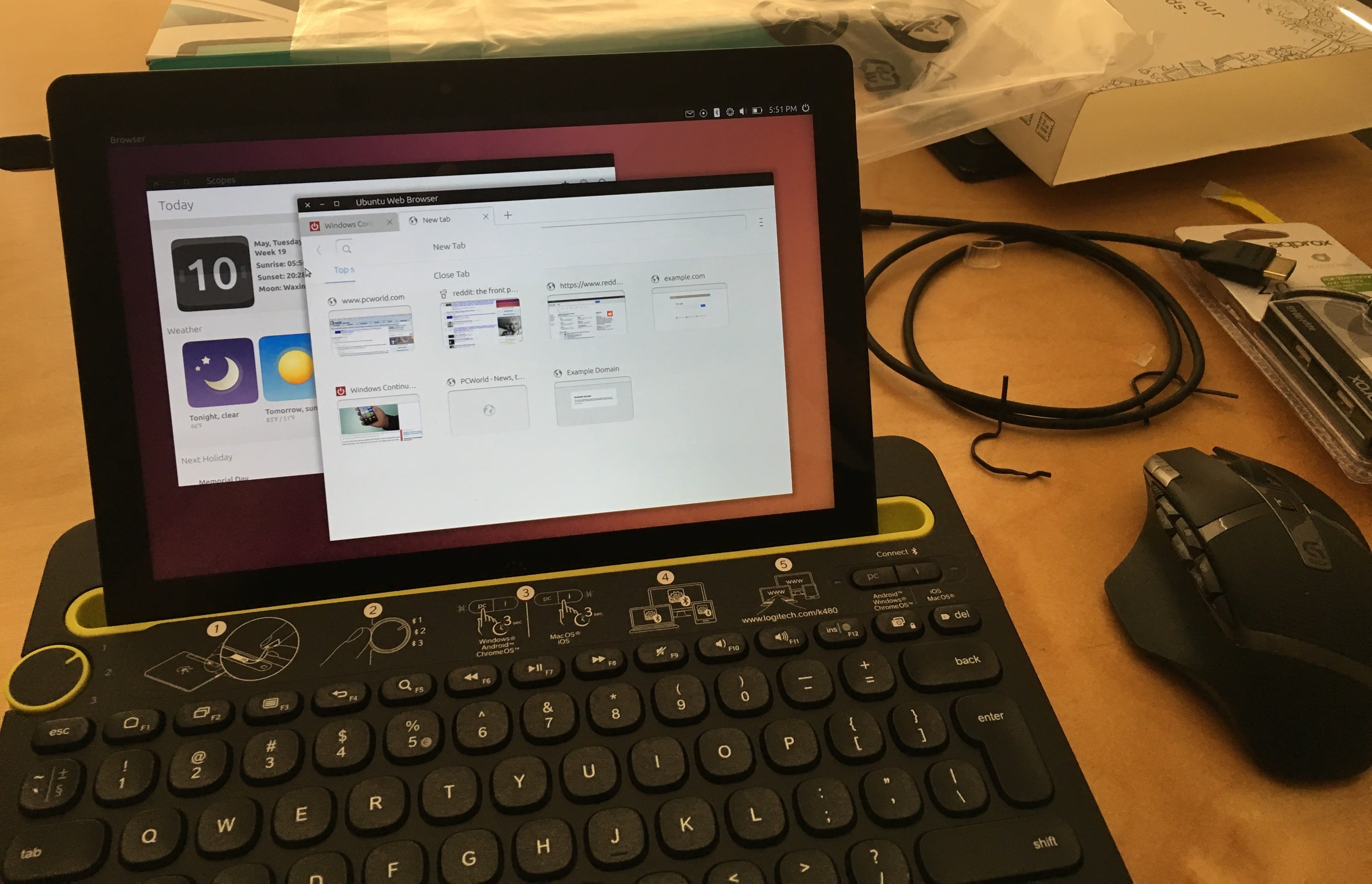
My friend handed me some Mandrake Linux installer discs, and I was off to the races. I used a wide variety of Linux distributions over the years: Fedora, SuSE, Arch, and even Gentoo. (Don’t get me started on how Gentoo Linux users used to compile all their own software for supposed performance optimizations! Yes, I did it too. It was trendy!)
I dual-booted Windows for many years, but I focused on Linux. When I started writing online, one thing immediately became clear: Windows had a much larger audience. So, while I covered Linux, too, I refocused on Windows.
But I still covered Linux! I wrote both Windows and Linux content for How-To Geek. And, back in 2014, I founded PCWorld’s World Beyond Windows column to cover Linux, ChromeOS, SteamOS, and alternative PC operating systems.
Linux content never performed as well as Windows content, but there was an appetite for technical content that helped people with command-line software. There was also an appetite for Linux-focused editorials and news for Linux users.
👀 Here’s another secret that my boss at How-To Geek once told me, many years ago: Traffic-wise, most of those Linux articles were read by Windows users.
Yes, if you go look at the stats for pieces focused on Linux news and open-source advocacy, people may be clicking them — but they’re not necessarily using the operating system.
Gradually, I started covering Linux less and less. I love Linux, and I’m excited about the future there (especially thanks to Valve and SteamOS), but I also know that people want Windows content. (And I love Windows, too!)
Okay, back to 2026
If you believe the mood on social media, 2026 will be the long-prophesied the year of the Linux desktop. People aren’t buying Windows 11 PCs, and Windows is old hat.
But, if you actually look at the stats, that’s not true at all. Windows 11 is growing faster than Windows 10 did.
It’s easy to complain about Windows on social media. It’s easy to say you’re switching to Linux and get upvotes. It’s easy to write “I’m switching to Linux” editorials.
But a lot of the people writing those comments, upvoting them, and reading the articles are using Windows — not Linux.
I get it. But that’s why Windows is still on top.
2026 is the year of the Linux desktop, even if it’s still niche
When I started using Linux, I had to manually enter IRQ numbers to get my hardware devices working. I had to get a sound card with hardware mixing so Adobe Flash content worked properly. I couldn’t watch the Olympics because it required Microsoft Silverlight. I couldn’t stream Netflix. Linux users played Tux Racer unironically.
Now, Linux mostly just works. You can install popular web browsers, and you can won’t encounter major problems. Many applications offer convenient web-based versions. Thanks to Valve’s SteamOS, Linux has even become a great place for PC gaming — without much extra configuration.
Linux is even the operating system of choice for serious local AI tasks, if you want to dabble with anything beyond LLM inference on your own hardware.
I could say so many other good things about this free and open-source operating system. I’m so happy it’s this mature. Linux is an amazing state, but there’s not a horde of people switching — because Windows is fine.
Why Windows 11 is fine, actually
Honestly, using Windows often feels like being locked in a battle with Microsoft’s marketing department — no thanks, I don’t want MSN News articles on my New Tab page, advertising everywhere, Copilot on my taskbar, Bing in my Start menu, all my files hoovered up into OneDrive, and so on.
But, if you decide to opt out, you can start turning it off. Once I get a Windows 11 PC set up the way I like it, it doesn’t bother me too much. I get to use the world’s most popular desktop software platform with the best support for whatever PC hardware I want to use.
I wish Windows was less obnoxious out of the box. PC users shouldn’t feel this negatively about it. (I just wrote a piece about what I wish Microsoft would fix over at PCMag.)
But, once you actually configure it, Windows is fine.
The latest from Thurrott.com
For Thurrott Premium subscribers, Paul’s “Making Windows 11 Suck Less in 2026” article is an excellent read that dives deep into what’s going on with Windows 11 right now.
Beyond that, AMD said the next Xbox may launch in 2027. In open-source news, LibreOffice 26.2 just arrived. Check out Thurrott.com for more!
Found myself switching to Linux after Windows determined my HW-specs (CPU specifically) were incompatible with Win11. That was the reason for me to take my 10+ year old ThinkPad and jump to Linux permanently.
I use Window both at work and personally, and find it works well (after tweaking a few settings as you say). Have been using it for decades, so happy to stick with it and continue to learn how to use it most effectively rather than OS hopping, and having to learn everything from scratch again.